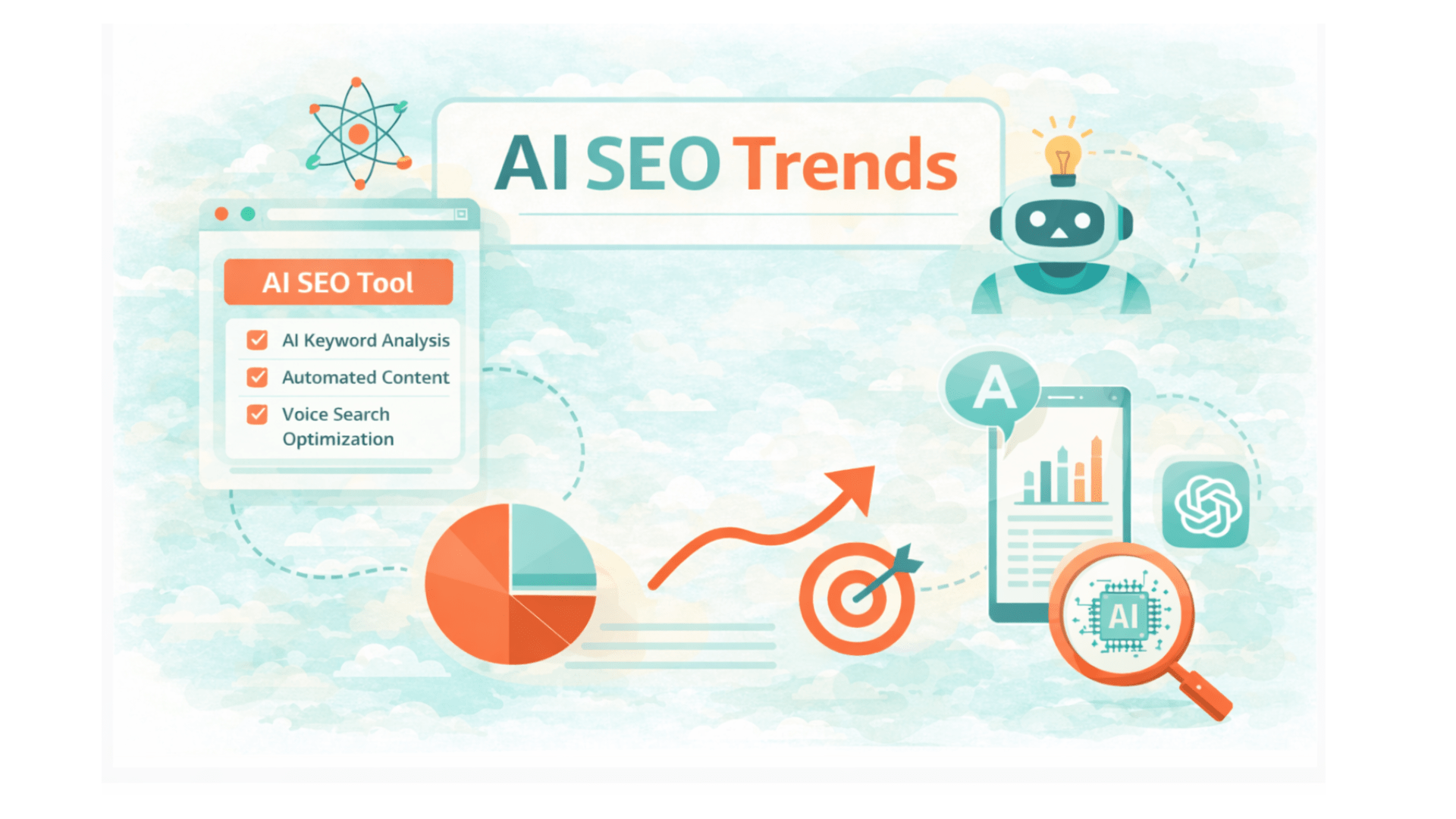
7 AI SEO Trends Shaping search in 2026
Search engine optimization has moved far beyond keywords and backlinks. By 2026, AI models now read, synthesize, and answer queries for users directly, often without ever sending them to your website. The old funnel of query, click, site visit, and conversion has fractured. Answers appear in boxes, chat interfaces, and agent-driven experiences instead.
That shift rewrites what winning means. This post walks through seven AI SEO trends shaping search in 2026, why organic clicks are declining, and what to do about it. You will learn how AI Overviews and conversational search change visibility, why Generative Engine Optimization has become essential, and how proprietary data and machine-readable signals build competitive advantage in search.
Treat this as a practical roadmap, not a theory. The goal is helping you adapt strategy, measure differently, and position your brand so AI models cite you as the original, trusted source.
Key takeaways
SEO is shifting from driving clicks to earning visibility and citations inside AI-powered answer engines like Google AI Overviews. Generative Engine Optimization, or GEO, is now the baseline. Priority areas are unique information, E-E-A-T signals, and structured data so AI can easily cite you.
Organic traffic is declining because AI summaries and chat interfaces satisfy queries without clicks. Success metrics must move toward AI visibility, citation rate, and conversion quality. Proprietary data, original research, and exclusive customer insights form an entity moat that AI systems cannot synthesize away.
SEO must be holistic. Brand, PR, product, and UX feed the same AI models that decide who gets cited.
AI search and conversational engines are taking over
We are past the experiment stage. AI-driven conversational search platforms now handle a meaningful share of discovery. People use these platforms because they want concise, synthesized answers and a conversational path for follow-up questions. Chat interfaces deliver that without requiring a single click.
Chat-based assistants, including large public chat models, process hundreds of millions to billions of prompts each day. Usage has grown from early adopters to routine utility for research, planning, and quick decision making.
Dedicated answer engines like Perplexity focus on citation-first answers, which makes them powerful discovery points for brands already being cited across the web. Integrated copilots from major search and cloud providers combine generative responses with transactional capabilities, surfacing product and service info directly in the assistant experience.
Traditional search remains dominant in raw query volume, but user intent is fragmenting. For quick, factual, or synthesis queries users turn to conversational engines. Complex product research and transactional queries get a mix of both.
Optimizing for discovery now includes optimizing for conversational formats, prompt patterns, and how these platforms cite sources. If your content reads like another commodity post, AI models will overlook you.
What Google AI Overviews mean for your SEO strategy
Google AI Overviews are generative summaries that appear above or alongside organic results, giving users a synthesized answer that often removes the need to click through. For many queries the result is lower click-through rates for traditional links and a new objective: being cited in the overview.
AI Overviews now appear for a meaningful slice of informational queries, changing how clicks and impressions distribute. Pages that once received steady organic traffic now see much lower CTR when an overview is shown. The industry calls this the Great Decoupling: visibility and impressions rise while traffic and visits fall.
Being cited in an AI Overview produces better visibility than ranking in position one without a citation. Citation brings a modest click lift, higher brand recognition in search results, and referral traffic that converts better.
Optimizing for blue links alone is not enough. You must design content to be citable, concise, and clearly attributable so AI systems include your data in their summaries. Organic visits go down. Brand and citation now yield more strategic value than raw traffic.
Moving beyond traditional SEO to generative engine optimization
Generative Engine Optimization, or GEO, is designing content and data specifically to be found, parsed, trusted, and cited by generative models and answer engines. Think of GEO as classic SEO expanded into formatting, provenance, and original information that models can point to.
GEO differs from related terms. Answer Engine Optimization targets non-generative answer formats like featured snippets. GEO is broader, tailored to systems that generate full responses and require provenance and unique inputs. Large Language Model Optimization focuses on patterns and prompts that cause models to repeat your content. GEO aims for formal citation and sustained authority across answer engines.
Create content that actually delivers value
Information gain is the heart of GEO. If a model can synthesize your content from other sources, it will, and you lose the chance to be cited.
Make original points backed by proprietary data, unique customer examples, or controlled experiments. Publish case studies, internal benchmarks, and method-level writeups that show how you arrived at conclusions. Use naming conventions, branded frameworks, or indexes that anchor a concept to your brand in the model’s knowledge graph.
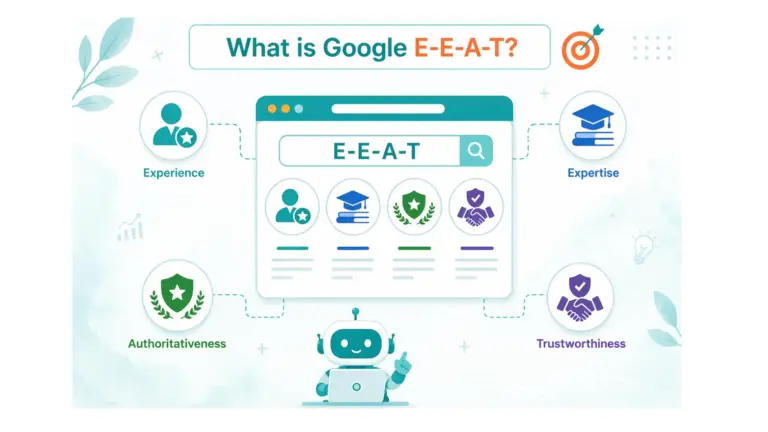
E-E-A-T and trust signals that matter
AI systems reward clear signals of expertise and credibility. Authors and brands that communicate trust get cited more often.
Detailed author bios with credentials, relevant experience, and links to other authoritative work matter. Clear editorial processes and references for data, including methodology notes, signal rigor. Brand mentions in third-party outlets, speaker panels, and research citations across the web build external credibility. User reviews, testimonials, and verifiable case outcomes showcased consistently across platforms reinforce trust.
The role of structured data and schema
Structured data helps machines understand what your content actually is. For GEO, schema is now table stakes.
Article schema works for long-form analysis and research. FAQPage schema maps question-answer blocks cleanly to prompts. Product schema with up-to-date pricing and availability enables transactional discovery. Structured markup makes content machine-readable and more likely to be selected and cited by an answer engine.
How Opositive.io helps you win in the AI era
We build AI-first SEO strategies focused on becoming the citable source. Opositive.io combines research, engineering, and editorial work so your brand shows up inside AI Overviews and other answer experiences. Our approach measures presence across the whole set of discovery surfaces, not just Google rankings.
We translate trends into measurable work. First, we audit and prioritize topics where you can create real information gain. Then we implement GEO tactics: structured data, branded metrics, and content engineered for provenance. Finally we track AI-specific KPIs like citation share and prompt impact alongside conventional conversion metrics.
You build a defensible entity position that drives sustainable, ad-free growth. The content and data you own get cited by the systems people use to find answers.
Trend 3: The rise of the agentic web and AI agents
The agentic web describes a world where AI agents search, act, and transact on behalf of users. Instead of a human typing and clicking one result at a time, an agent scans multiple sources, compares options, and completes actions such as booking, buying, or scheduling.
You must optimize for human clicks and for machine agents that may never click. Agent-friendly content is concise, machine-readable, and carries clear action signals.
Machine-readable product and service data matters more than ever. Pricing, inventory, SLAs, and contract terms should be available through structured data, APIs, or lightweight machine-readable feeds. Agents prefer structured endpoints over scraping web pages.
Clear refund policies, verified reviews, and standardized identifiers make it easier for agents to act on your behalf. Track not only site sessions but agent-driven referrals, API hits, and downstream conversions that originate from agent interactions.
If your key product data is buried behind JavaScript or inconsistent across channels, agents will skip you. A brand that offers clean, accessible machine-readable signals gets surfaced more often for automated decision making.
Why is proprietary data your strongest defense?
Generative models synthesize existing sources. If you own the only source of a piece of data, models must point back to you to include that information reliably. Proprietary data creates an entity moat, and that moat is now the most defensible SEO asset.
Original research and surveys, even if narrow, make you the home for a fact in a model’s mind. Publish the methodology and raw numbers. Branded metrics and indexes, like a proprietary market index or scoring system, give models a label to attach to your brand when they summarize a topic.
Customer data and anonymized usage stats enable you to publish insights no one else has. This forces citation. Exclusive datasets, such as aggregated community data or instrumented product performance, are content that cannot be cheaply duplicated by AI.
Make proprietary data easy to find and attribute. If a model can’t establish provenance, it will favor more general sources. Own the data, own the narrative.
Trend 4: Holistic SEO and redefined success metrics
SEO in 2026 cannot live in a single team. Search visibility depends on product, support, PR, social, and community signals. The modern approach is integrated, where search teams work with brand, product, and analytics to influence the signals models read.
Traffic and rankings are still useful. They are incomplete.
AI-powered discovery rewards visibility and authority, which may not translate into immediate session counts. Your measurement must include upstream visibility and downstream value.
Moving beyond traffic: new KPIs for the AI era
Share of voice in AI answers measures the percentage of generated responses and overviews that cite your brand or data. Citation rate tracks how often your domain is referenced as a source per topic cluster.
Prompt impact identifies which queries lead to your content being surfaced in conversational results. Response-to-conversion velocity measures time and steps from AI referral to meaningful business outcome. Faster is better. Engagement quality from AI-referred sessions looks at depth, task completion, and conversion rather than raw pageviews.
Optimizing for search everywhere
Discovery now happens beyond Google. LLMs and answer engines ingest text from forums, social platforms, knowledge bases, and proprietary feeds. You must build presence across the whole web to shape the data models learn from.
Community forums and niche discussion boards host first-hand user experiences and troubleshooting. Q and A platforms contain authoritative threads and well-documented answers. Industry newsletters, journals, and research sites publish original studies. Social channels accumulate long-form posts, threads, and commentary.
A consistent footprint across these platforms improves the chances models will find and cite your content when they synthesize answers. Think of it as distributed provenance.
Future-proof your strategy with an AI SEO agency
The tools keep changing, but the pattern is clear. Brands that prepare structured data, publish original information, and measure for AI visibility will thrive. Doing that well requires specialized expertise and tooling to monitor AI citation behavior and shape content for multiple discovery surfaces.
Opositive.io helps companies design and execute this future-facing work. We focus on building topical authority through GEO strategies, operationalizing structured data, and tracking AI-specific KPIs so you can see who is citing you, where, and with what business impact.
Start by auditing your data, mapping where your unique insights live, and putting those signals into formats machines use every day. That foundation will carry you forward as conversational search grows.
Conclusion
AI SEO trends in 2026 are not incremental changes. They remake how discovery happens. Conversational and generative engines reduce clicks but create new forms of visibility. The path forward is trading chase for authority.
Invest in unique data, strong trust signals, structured machine-readable content, and a presence across the platforms LLMs index. The future of AI SEO favors brands that are citable and clear. That is a tactical advantage you can build, measure, and protect.
FAQs
1. What is the future of SEO with AI?
The future is less about ranking for keywords and more about being a trusted source for AI answers. Focus on provenance, unique data, and structured signals so models can cite you when they generate responses.
2. Can AI do SEO now?
AI can handle many tactical parts of SEO like content drafting and analysis, but it cannot replace the strategic work of creating original research, building brand authority, and engineering machine-readable signals. Human strategy still wins.
3. What is the new SEO for AI?
The new SEO emphasizes Generative Engine Optimization: creating content that delivers information gain, adding clear trust signals, and marking up content so answer engines can parse and cite it.
4. Can SEO be replaced by AI?
No. AI changes what SEO teams do, but it does not remove the need for human-led strategy, product alignment, and unique data creation. Those are the things AI cannot invent for you.
5. How does structured data help in getting cited by AI search engines?
Structured data makes content machine-readable. It highlights the type of content, the author, the facts, and the relationships AI models need to establish provenance. That increases the chance models will use and cite your content in generated answers.
6. What should I do if my organic traffic drops because of AI Overviews?
Shift some focus from raw traffic to visibility and value. Publish proprietary data, optimize for being cited, add clear author and methodology notes, and measure AI citation share and conversion quality instead of pageviews alone.
7. How can a small business adapt to these major AI SEO trends?
Start small and specific. Run a compact original survey, publish one tight case study, implement core schema types, and build consistent author profiles. Those moves are high ROI and accessible to smaller teams.
8. Is it still important to build backlinks for AI SEO?
Yes, but the role of backlinks evolves. Third-party mentions and authoritative citations across the web help models understand your credibility. Backlinks are one signal among many that contribute to being citable in AI answers.

Mansi Jain
Senior AI SEO Specialist @ Opositive.io
GEO, AEO & LLM Optimization Specialist · 6.5+ yrs Technical SEO
About Mansi
Mansi Jain is a Senior SEO Specialist with 6.5+ years of experience in technical SEO, content strategy, ecommerce SEO, and AI-powered search optimization. At Opositive.io, she helps businesses improve their visibility across traditional search engines and emerging AI platforms through data-driven SEO strategies.
Her expertise includes technical audits, keyword research, schema implementation, content clustering, and AI SEO (GEO/AEO). Passionate about staying ahead of search trends, Mansi shares practical insights and actionable strategies that help marketers, founders, and businesses achieve sustainable organic growth.
“Practical, data-driven SEO that helps businesses grow sustainably across both traditional search and AI platforms.
Specialization
Technical SEO, Ecommerce SEO & AI SEO (GEO/AEO)
Education
B.Tech, Information Technology
College of Technology and Engineering, Udaipur · 2015 – 2019
Experience
Senior SEO Specialist, Opositive.io
3+ years at Opositive · 6.5+ years in SEO & AI-powered search
Skills
Technical audits, keyword research, schema, content clustering